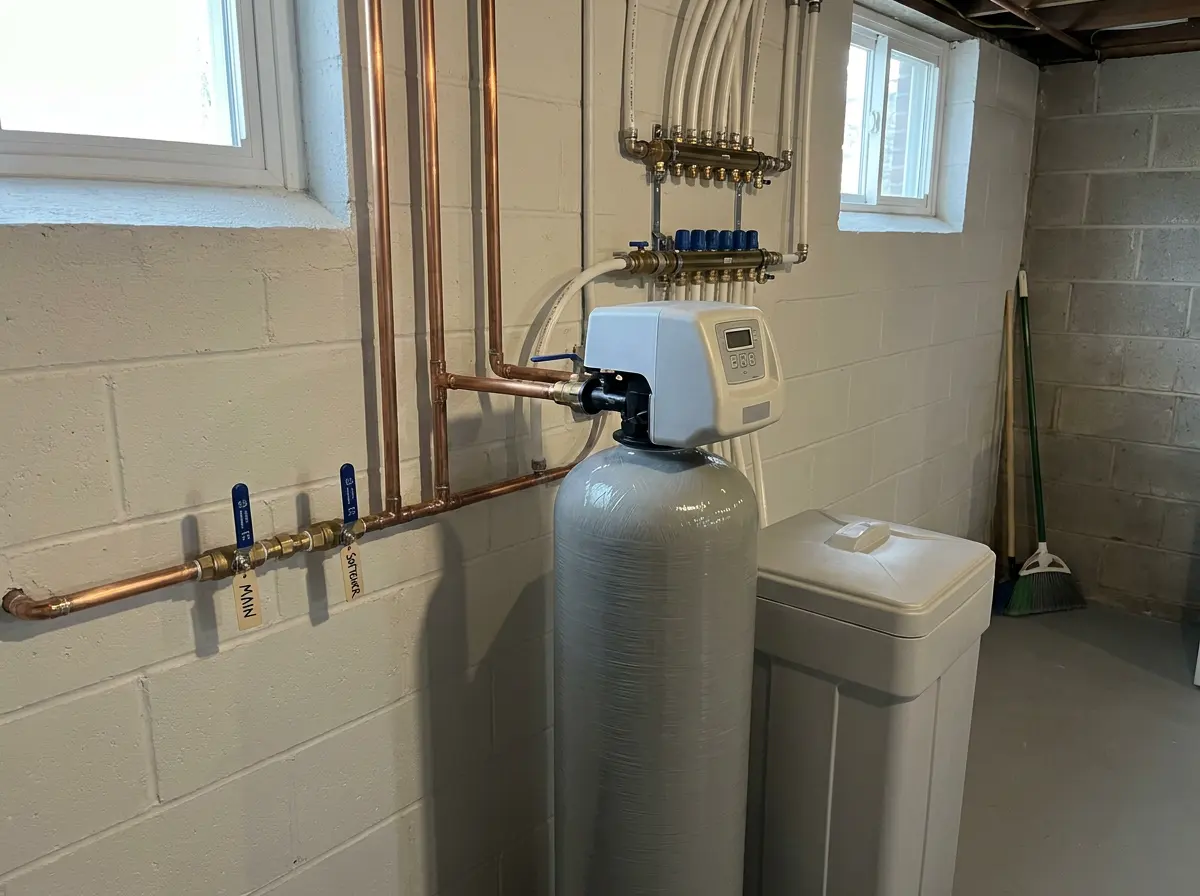
Water Softener Repair & Service in Cedar Rapids
Eating salt with hard water anyway, a brine tank full of water, a valve stuck mid-cycle — we diagnose it, quote it in writing, and fix every brand. And when a repair isn't worth it, we say so.
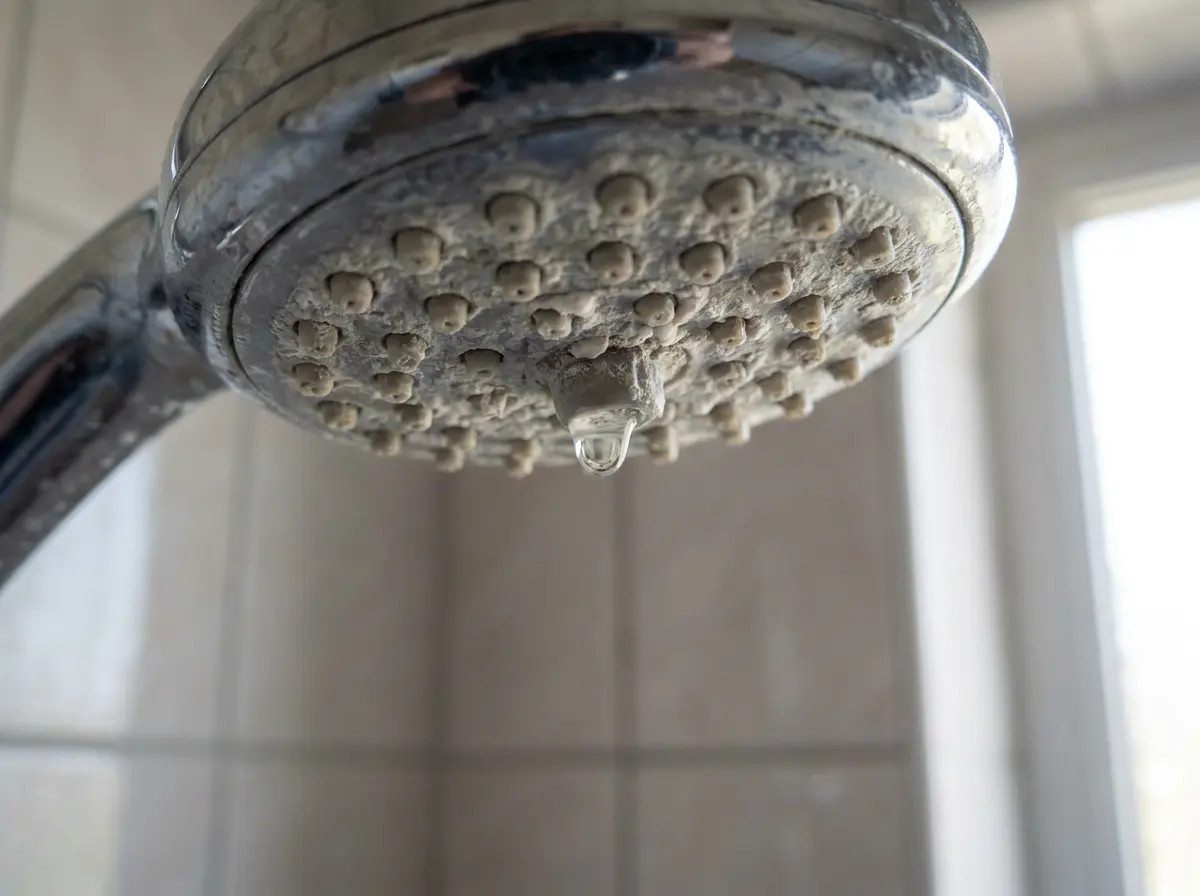
A water softener rarely fails loudly. No warning light, no alarm — it just quietly stops trading the hardness out of your water, and the scale creeps back in. In Marion, Hiawatha, and well homes running 14–20+ grains per gallon, "quietly stopped working" shows up fast: spots on the glassware within a week, film on the shower door, laundry that feels stiff again, and a salt bill for a machine that isn't doing anything.
If your softener is misbehaving — or you suspect it quit and can't tell — we repair and service every brand across the corridor: Cedar Rapids, Marion, Hiawatha, Robins, Fairfax, Ely, North Liberty, and Coralville. One diagnostic visit, a written price before we touch a wrench, and a straight answer if the smarter move is replacement.
Six symptoms that usually mean a repair
Softeners fail in predictable ways. If any of these sound familiar, the fix is usually a service call, not a new system:
- It's eating salt but the water is hard anyway. The most common call we run. Salt keeps disappearing, the unit hums through its cycles at 2 a.m., and the spots are back. That combination commonly points to fouled or exhausted resin, an injector that can't pull brine, or a valve going through the motions of regeneration without actually completing one.
- A salt bridge. A hard crust of salt forms above the water line in the brine tank with a hollow space underneath. The tank looks full, the salt level never drops, and no brine gets made — so nothing regenerates. Easy to confirm, and often easy to fix yourself (see the FAQ below).
- Standing water in the brine tank. A few inches is normal on many models. Water halfway up the tank or higher typically means brine isn't being drawn out during regeneration — commonly a clogged injector, a stuck safety float, or a kinked or blocked drain line.
- Stuck in regeneration. If the unit sits there flushing water down the drain for hours, a valve motor, piston, or timing gear has usually failed. This one costs you real money in water while you wait, so it's worth a same-week call.
- Leaks. Around the valve head, the bypass, or the tank fittings. Small softener leaks rarely stay small, and the worn rotary seals behind many of them are a routine, inexpensive repair.
- Low water pressure through the house. Resin breaks down as it ages — especially where chlorine or iron have been chewing on it — and broken beads can pack the bed or wash into your plumbing. A pressure drop that developed slowly, over months, often traces back to the softener.
Iron deserves a special mention. Plenty of corridor homes, especially on wells, carry enough iron to foul resin years ahead of schedule. If your water runs orange-tinted or your fixtures stain, the softener may be a casualty rather than the culprit — iron and sulfur removal upstream is often the repair that actually sticks.
What a service call looks like
You'll know what's wrong and what it costs before any work happens:
- Water test at the tap. Hardness going in versus hardness coming out tells us in minutes whether the softener is doing anything at all — and how badly it's missing.
- Brine tank and salt check. Bridging, mushed salt at the bottom, the standing water level, and how fast salt has actually been dropping.
- Valve and settings inspection. We run a manual regeneration and watch what the valve really does. Most faults show themselves inside one cycle.
- Diagnosis and a quoted price. In writing, before we start. If the honest answer is "replace it," we say that instead and show you the math.
- Repair, retest, explain. We fix it, verify soft water at the tap, and walk you through what failed and how to keep it from happening again.
Most repairs finish in the same visit. We stock the common wear parts — injectors, seals and spacers, floats, drive motors — for the valve families we see most often in this area.
We service every brand — no upsell
Culligan, Kinetico, EcoWater, GE, Whirlpool, Morton, WaterBoss, and the Fleck and Clack control valves that run most independent and builder-installed systems. As a rule, if parts are still made for it, we can fix it. What you won't get is the brand-snob routine — the technician who glances at your perfectly repairable unit and pivots into a sales pitch. If your softener has life left, we'd rather fix it and earn the next call.
Repair or replace? The honest math
Our rule of thumb: if the repair costs more than about half of a comparable new installed system, and the unit is past ten years old, replacement usually wins. Past that point you're putting new-softener money into old-softener reliability — resin, seals, and electronics all aging together, so the next failure is rarely far behind the one you just paid for.
On the other side of that line, repair is normally the better money. A five-year-old unit with a clogged injector needs a modest fix, not a replacement, and we'll say so plainly. When a new system genuinely is the right call, our water softeners page covers how we size and price one — and the diagnostic fee from the service call comes off the install.
What softener repair costs in Cedar Rapids
Repair pricing depends on what failed, but most calls land in predictable ranges:
| Repair | Typical range |
|---|---|
| Diagnostic / service visit | $89 – $129 |
| Common repairs (injector, float, seals, resin cleaning) | $150 – $450 |
| Full valve rebuild or valve replacement | $350 – $750 |
What moves the number: the age and brand of the valve (parts for the common Fleck and Clack heads are inexpensive and easy to get; proprietary valves typically cost more), whether resin is involved, and how accessible the unit is. You approve the quoted price before we start — if you decide not to proceed, the diagnostic fee is all you owe.
A caution on resin: a full resin bed replacement typically runs $400–$800 with labor. On a softener past ten or twelve years, that's usually the moment to run the repair-vs-replace math above rather than defaulting to the fix.
Annual service: cheaper than any repair
Almost every failure on this page announces itself early — to someone who looks. An annual service visit typically covers hardness tested in and out, settings checked against your current household (kids move out; softeners don't get told), the brine tank inspected and cleaned as needed, the injector cleared, and a resin-bed cleaner run where iron or chlorine have been working on the bed.
City-water homes generally do fine with a once-a-year check. Well homes pushing iron through the softener work the resin far harder — every six to twelve months is more realistic there, ideally alongside proper well water treatment upstream. Chlorine on city water ages resin too, slowly; it's one reason some homes pair the softener with whole-house filtration and get years more out of the bed.
Asked on almost every service call.
What is a salt bridge and how do I fix it?
A salt bridge is a hard crust of salt that forms above the water line in the brine tank, leaving a hollow underneath. The tank looks full, but no salt reaches the water, so no brine gets made and nothing regenerates. You can often break one up yourself: push a broom handle straight down around the edges until the crust collapses. If bridges keep coming back, the usual culprits are basement humidity, low-grade salt, or overfilling the tank — worth having us look at on the next visit.
How often should a water softener be serviced?
Once a year is the rule of thumb on city water: hardness tested in and out, settings checked, brine tank inspected, injector cleaned. Well water with iron works the equipment much harder — every six to twelve months is more realistic, with a resin cleaner run between visits.
Why is my water softener full of water?
A few inches of water in the brine tank is normal on many models. Water halfway up or higher usually means brine isn't being drawn out during regeneration — commonly a clogged injector, a stuck safety float, or a kinked or blocked drain line. It's one of the most frequent calls we run, and typically a same-visit fix.
Do you repair all brands of water softener?
Yes — Culligan, Kinetico, EcoWater, GE, Whirlpool, Morton, WaterBoss, and the Fleck and Clack valves behind most independent and builder-installed systems. As a rule, if parts are still made for it, we can fix it. And we won't use the visit to talk you into a new unit if yours has life left.
Should I repair or replace my water softener?
Our rule of thumb: if the repair quote passes about half the cost of a comparable new installed system and the unit is past ten years old, replacement usually wins — you'd be paying new-softener money for old-softener reliability. Below that line, or on a younger unit, repair is normally the better money. We put both numbers in front of you and let you choose.

Not sure if it's working at all?
Free in-home water test: hardness going in, hardness coming out, and a straight answer on whether your softener is doing its job.