How hard is the water in Cedar Rapids, Marion & Hiawatha?
The real numbers, from the utilities' own reports and USGS data — because "hard water" means something different depending on which tap you're standing at.
The short answer: Cedar Rapids city tap water averages 6.5–7 grains per gallon — "moderately hard" — because the city lime-softens its water at the treatment plant. Marion tap water runs about 18–20 grains and Hiawatha 14–20 grains, both "very hard," because neither city softens. Private wells in the region are hardest of all: USGS sampling puts the median around 23 grains per gallon. Where you live decides what your water is doing to your house.
Hardness by water source
| Water source | Hardness | Classification |
|---|---|---|
| Cedar Rapids city tap (after lime softening) | 6.5–7 gpg | Moderately hard |
| Cedar Rapids raw water (before treatment) | ~15.8 gpg | Very hard |
| Marion Water Department tap | ~18–20 gpg | Very hard |
| Hiawatha Water Department tap | 14–20 gpg | Very hard |
| Private wells, regional median (USGS) | ~23 gpg | Very hard |
gpg = grains per gallon (1 gpg = 17.1 mg/L as calcium carbonate). Figures from the sources listed at the bottom of this page.
What do those classifications mean?
The water-treatment industry classifies hardness on this scale: soft under 1 gpg, slightly hard 1–3.5, moderately hard 3.5–7, hard 7–10.5, and very hard above 10.5 grains per gallon. So Cedar Rapids city water sits at the top of "moderately hard," right at the border of "hard" — while Marion, Hiawatha, and area wells are far past the "very hard" line.
Why is Cedar Rapids softer than its neighbors?
It isn't the geology — it's the treatment plant. Cedar Rapids draws from alluvial wells along the Cedar River, and that raw water enters the plant at about 15.8 grains per gallon. The city then runs conventional lime softening, which strips out roughly half the mineral load before the water reaches your tap. Marion and Hiawatha pump from deeper bedrock wells (Jordan and Silurian aquifers) and deliver the water essentially as-is — iron removal, disinfection, but no softening. Same limestone country, very different tap water.
Does Cedar Rapids city water still need a softener?
Honest answer: it's a judgment call, not an emergency. At 7 grains, you'll still see spotting on glassware, scale slowly building in the water heater, and soap that doesn't quite lather — and many Cedar Rapids households decide a softener is worth it for those reasons. But the urgency is real one town over: at Marion and Hiawatha hardness levels, scale builds three times faster, and on an untreated well it's faster still. That's why we test your actual tap before recommending anything — the right answer in Cedar Rapids is sometimes "you're fine," and we'd rather tell you that than sell you a tank.
What hard water does at each level
- Around 7 gpg (CR city): visible spotting, gradual scale in water heaters and on fixtures, reduced soap lather. Annoying, slow-moving.
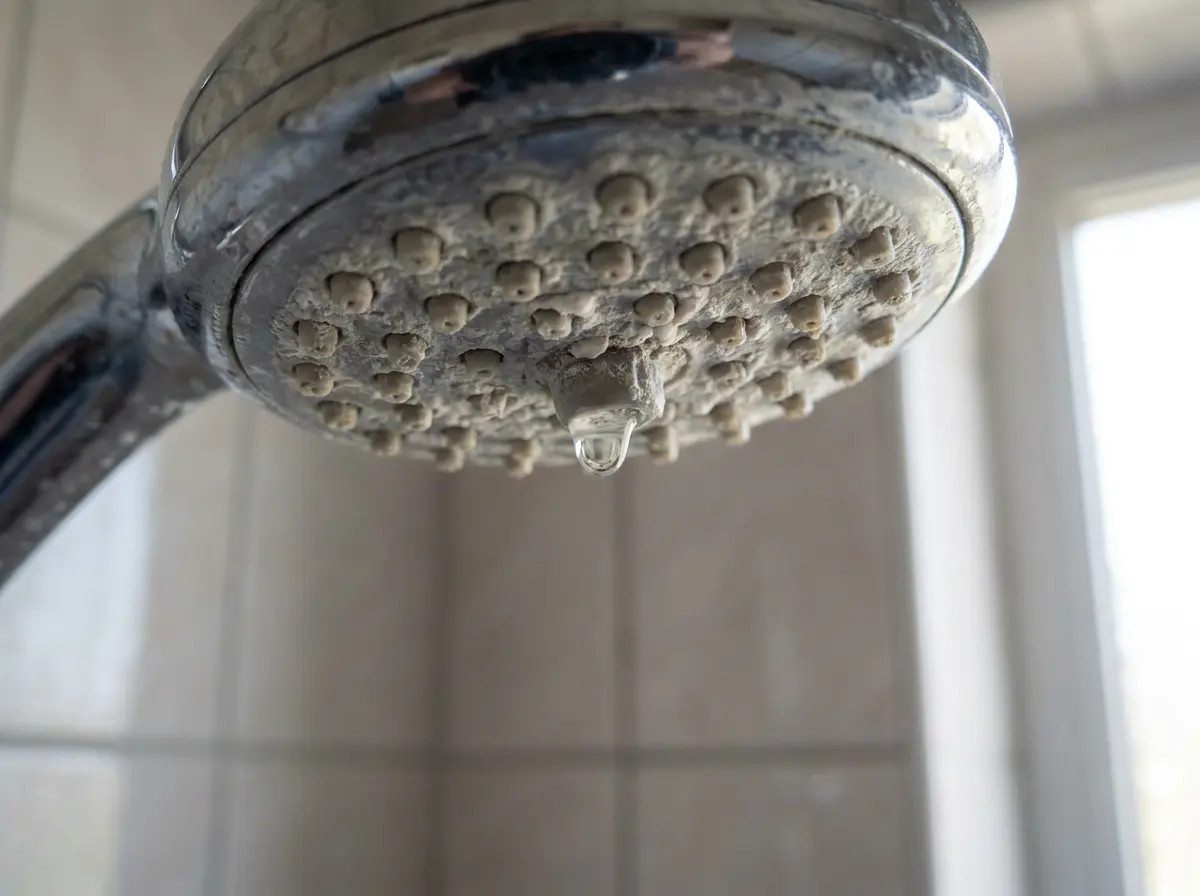
- 14–20 gpg (Marion, Hiawatha): crusted faucets and showerheads, stiff laundry, cloudy glassware out of every wash, water heaters commonly failing years early. A softener pays for itself here.
- 20+ gpg (wells): everything above, plus wells often add iron staining and sulfur odor — which is why we treat well water as one system, not one gadget at a time.
Sources
- City of Cedar Rapids Utilities — Water Softening (raw ~15.8 gpg; finished 6.5–7 gpg) and annual Water Quality Reports
- Hiawatha Water Department — Water FAQ (hardness 14–20 gpg)
- Marion Water Department — 2024 Consumer Confidence Report; hardness ~18–20 gpg as reported in KCRG coverage
- USGS — Iowa Ground-Water Quality (OFR 87-725) (surficial-aquifer median hardness ~390 mg/L ≈ 23 gpg) and Hardness of Water
Figures are utility-reported averages and regional medians; individual taps vary. Last reviewed July 2026.
Want your tap's exact number?
We test hardness, iron, and chlorine at your kitchen sink, free — and tell you honestly if you don't need anything.